Illuminate Your Space: A Comprehensive Guide to Selecting the Ideal Rooflight
In urban environments, optimizing natural light can considerably affect the character of a property. Rooflights offer various benefits, from improving mood to raising property value. This guide explores essential elements to consider when picking the right rooflight. It examines styles, construction materials, and installation strategies that can revolutionize indoor environments. Understanding these elements is essential for reaching well-informed decisions. Yet, the journey doesn't end here; key insights on installation and maintenance await.
Understanding the Benefits of Rooflights
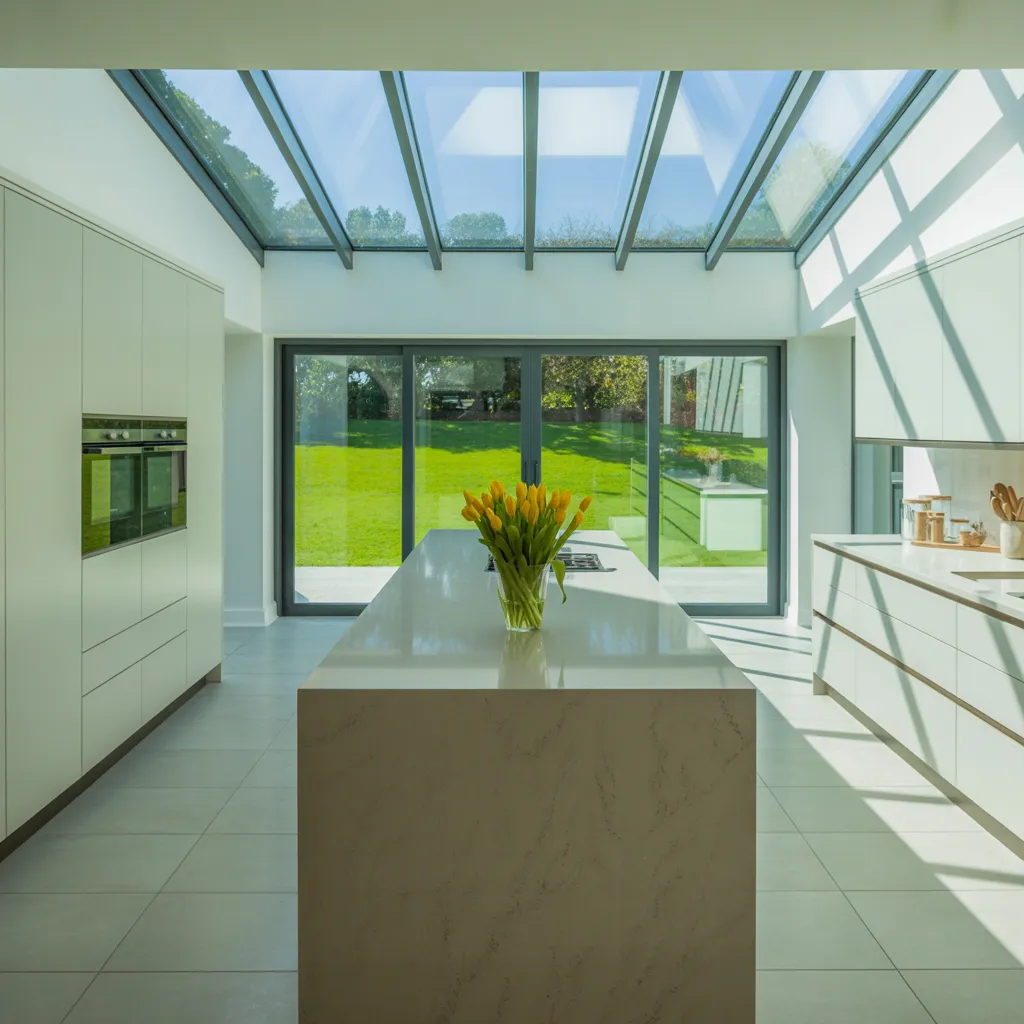
Natural light acts as a transformative force in any interior, and rooflights offer an effective solution to harness it. By enabling sunlight to pour into interior spaces, rooflights enhance the ambience, fostering a sense of openness and spaciousness. This abundance of natural light can significantly boost mood and productivity, making spaces feel more inviting.
Furthermore, rooflights support energy efficiency by decreasing the reliance on artificial lighting during daylight hours. This not only reduces electricity costs but also lessens environmental impact. Expertly installed rooflights can boost ventilation, promoting better air circulation and improving indoor air quality.
Moreover, they can act as design focal points, adding visual interest and added value to a home. In essence, the advantages of rooflight installations reach further than mere light provision; they enrich the overall quality of living and promote a more sustainable and healthier environment.
Rooflight Styles and Designs
When choosing the perfect rooflight, you should evaluate the range of styles and designs on offer, as each can read now greatly influence both visual appeal and practicality. Common choices include fixed rooflight designs, which offer a clean, modern appearance, and opening rooflights that permit airflow while introducing natural light. Sloped skylights, typically larger in size, can create a dramatic focal point in a room.
Moreover, lantern rooflights feature a multi-faceted design that elevates architectural interest while increasing sunlight. For traditional homes, domed or arched rooflights can suit period styles, offering a balance of elegance and practicality.
Additionally, modern designs often incorporate frameless options, establishing a fluid transition between interior and exterior areas. Each design choice delivers specific strengths, making it essential to choose one that aligns with the overall design vision while meeting specific lighting needs.
Choosing Durable and Aesthetic Choices for Your Rooflight
Selecting the right elements for a rooflight not only affects its durability but also its aesthetic charm. Common materials consist of glass, polycarbonate, and acrylic, all providing unique benefits. Premium reinforced or treated glass is chosen for its strength and clarity, allowing natural light to flood in while providing superior insulation. Polycarbonate, on the other hand, is lightweight and resistant to impact, making it suitable for areas prone to harsh weather conditions. Its UV-protective properties helps maintain clarity over time, boosting both its visual appeal and resilience. Acrylic is an additional choice, valued for its affordability and versatility, though it may scratch more easily than glass. When considering materials, it is also important to evaluate frame options, such as aluminum or wood, which can add to the overall look while ensuring structural integrity. In the end, the ideal selection of materials will enhance both functionality and the visual charm of the rooflight.
A Step-by-Step Guide to Installing Your Rooflight
Installing a rooflight demands careful consideration and precision to secure a smooth integration into the established framework. First, it is important to evaluate the state of the roof and confirm that it can bear the new installation. Exact measurements of the rooflight and the opening are key to preventing any inconsistencies.
Next, cutting through the roof structure must be done with accuracy, following manufacturer specifications. It is advisable to use protective materials to stop debris from entering the interior.
Once the gap is prepared, the skylight frame should be placed and fixed, making sure it is level and watertight. Correct sealing with suitable flashing and materials will prevent leaks.
Finally, interior detailing, like trim and plastering, must be carried out to create a polished look. Following these steps guarantees that the skylight not only maximises illumination but also preserves structural integrity and visual appeal.
Where Should You Position Your Rooflight for Optimal Sunlight?
How does one establish the ideal position for a rooflight to maximize natural light intake? The building's orientation is a key factor; south-facing rooflights generally receive the most sunlight during all daylight hours. By comparison, lights positioned to face east will capture early daylight, while westward-facing rooflights benefit from the afternoon sunlight.
The pitch of the roof influences light penetration; a steeper pitch can enable greater light penetration, especially during colder months when the sun is closer to the horizon. Additionally, considering surrounding structures and trees is important, as they could project shadows that restrict the amount of light available.
Carefully positioning rooflights in areas such as kitchens or living spaces enhances natural light, fostering a warmer and more appealing ambiance. In the end, considering these elements allows you to identify the ideal placement to capture the greatest amount of sunlight, guaranteeing a light-filled and cheerful space.
Maintaining Your Rooflight: Upkeep Advice
Keeping a rooflight is vital for maximizing its lifespan and function. Creating a scheduled cleaning schedule minimizes dirt buildup over time, while scheduled assessments for wear and tear ensure any issues are addressed promptly. By focusing on these care procedures, householders can enjoy the rewards of their rooflight for the long term.
Standard Cleaning Schedule
Even though rooflights boost natural light and energy efficiency, they require a regular cleaning schedule to maintain their clarity and functionality. Dust, dirt, and environmental contaminants can build up, obstructing light transmission and diminishing aesthetic appeal. Rooflights should ideally be cleaned at least twice a year, or more frequently in areas with high pollen or pollution levels. Using a soft cloth and a mild, non-abrasive cleaner guarantees that the surface remains scratch-free. For hard-to-reach areas, a squeegee or extension pole may be necessary. Furthermore, inspecting for dirt accumulation after storms or strong winds supports timely maintenance. Regular cleaning not only preserves visibility but also extends the lifespan of the rooflight, ensuring peak performance.
Check for Damage
Standard cleaning is merely one element of rooflight care; inspecting for damage is equally important. Residents should perform scheduled inspections to uncover potential concerns that could undermine the rooflight's structure. This encompasses examining for cracks, leaks, or any evidence of wear along the seals. Additionally, it is vital to examine the frame and surrounding structures for rust, rot, or other forms of deterioration. Harsh weather conditions, especially storms, can worsen damage, making prompt inspections essential. Should any problems be found, resolving them quickly can avoid more significant repairs and preserve the rooflight's performance. Consistent inspections not only improve the durability of the rooflight but also secure the best possible natural light and ventilation in the space.
Adding Rooflights To Your Home Design
Adding rooflights to home architecture can significantly improve both aesthetics and functionality. By allowing natural light to fill spaces, rooflights can generate a feeling of spaciousness, making rooms seem more expansive and appealing. Thoughtfully located rooflights can also boost energy savings by decreasing the need for artificial lighting during daylight hours.
When incorporating rooflights, consider the architectural character of the home. Flat or contemporary designs may work well with simple, modern designs, while traditional homes might call for more decorative fittings. Location is critical; positioning rooflights above principal living spaces or hallways maximizes their impact.
In addition, combining rooflights with shading systems, such as blinds or louvres, enables homeowners to regulate light and ensure privacy. This thoughtful integration not only elevates the visual impact but also promotes a comfortable and energy-efficient living space. Above all, rooflights serve as an impressive design feature that seamlessly combines beauty and functionality.
Questions Our Clients Often Ask
How Do Rooflights Contribute to Energy Efficiency?
Rooflights enhance energy performance by harnessing natural daylight, decreasing dependence on artificial light sources, and strengthening insulation properties. This results in reduced energy usage, reduced energy costs, and a reduced environmental impact, supporting a sustainable living environment.
How Do Rooflights Influence Interior Temperature Management?
Roof windows boost indoor temperature control by enabling natural light to penetrate, reducing reliance on artificial heating and cooling. This can lead to a more stable indoor climate, promoting comfort while potentially lowering energy consumption.
Do Rooflights Help Cut Down on Artificial Lighting Needs?
Rooflights can significantly reduce reliance on artificial lighting by maximizing natural light entry. This improves interior brightness throughout daylight hours, enabling spaces to stay well-illuminated without depending heavily on electric lighting, which ultimately supports improved energy efficiency.
What Building Regulations Apply to Rooflight Installations?
Building codes for roof window installations generally cover structural soundness, heat retention standards, and safety standards. Compliance guarantees appropriate levels of daylight, airflow, and energy conservation while complying with regional planning requirements and building standards for homes and commercial premises.
Are There Any Safety Concerns With Rooflights?
Rooflights do present safety concerns that include structural instability risks, glass damage, and faulty installation practices. These concerns can cause accidents, moisture penetration, and reduced energy efficiency, necessitating careful selection and professional installation to mitigate risks.